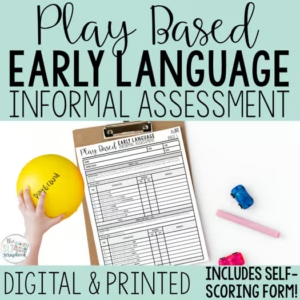
Play-based speech therapy activities are used by embedding language support into interactions that are already meaningful and engaging for the child. Rather than directing the play, the adult follows the child’s lead, joining in and building on what the child is interested in. This creates opportunities to model simple, functional language, repeat key words and phrases, and encourage turn-taking within a natural context.
In practice, this might look like using a simple toy or activity and repeating the same language across multiple turns, pausing to allow the child time to respond, and creating predictable routines within play. For example, a wind-up toy, bubbles, or a “ready… steady… go” routine can provide repeated opportunities for anticipation, engagement, and communication.
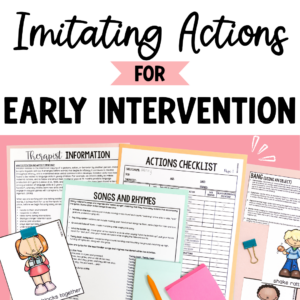
These activities are often adapted to match the child’s current stage of development. For children who are not yet using words, the focus may be on building engagement, imitation, and shared attention through actions and sounds. As communication develops, play can be used to model single words, expand utterances, and support more complex language.
Play-based activities are also a key part of caregiver coaching. By demonstrating strategies within play and supporting caregivers to practise them, therapists can help ensure that these approaches are carried over into everyday routines at home. Over time, this consistent, repeated use of strategies within meaningful interactions supports steady progress in communication development.
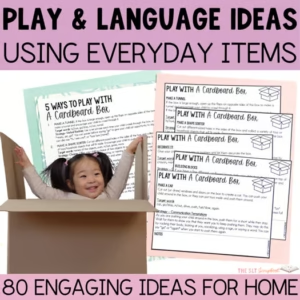
Play-based speech therapy activities can use familiar toys and everyday play to create natural opportunities for communication. The focus is not necessarily on the toy or activity itself, but on how the adult joins the play, responds to the child, and models language within the interaction.
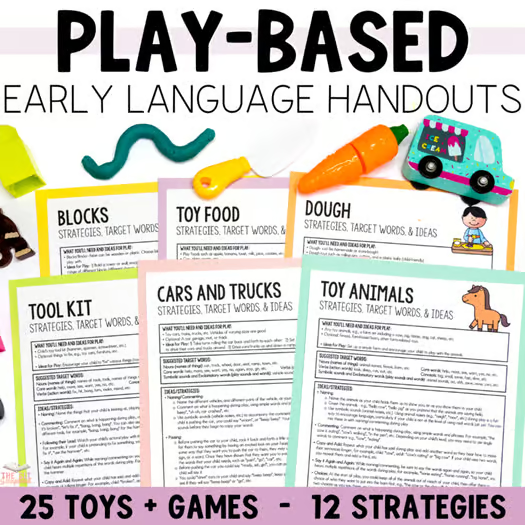
For example, bubbles can create opportunities for anticipation and interaction, toy animals can support the modelling of simple words, sounds and actions, and cars and vehicles can be used within predictable play routines with repeated language.
These are just a few examples. Familiar toys and activities can be adapted in many different ways depending on a child’s interests, stage of development and individual communication goals.
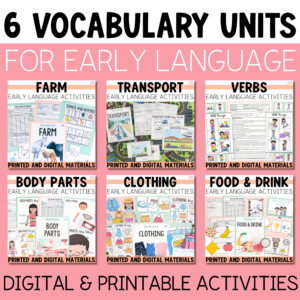
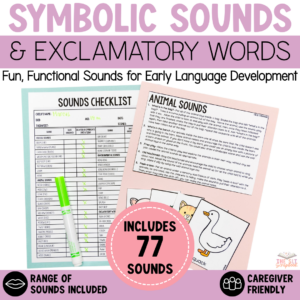
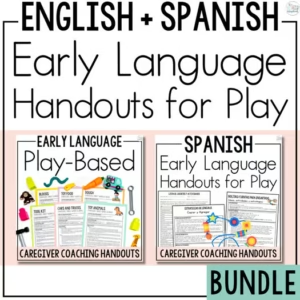
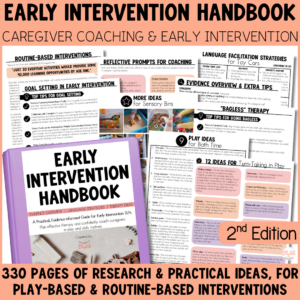
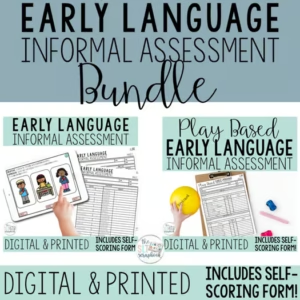
Looking for ready-to-use ideas? Explore the play-based speech therapy resources below for practical activities and materials designed to support early language development.
Or read this Blog Post about using popper Toys to stimulate language.

 Original price was: $30.00.$25.50Current price is: $25.50.